
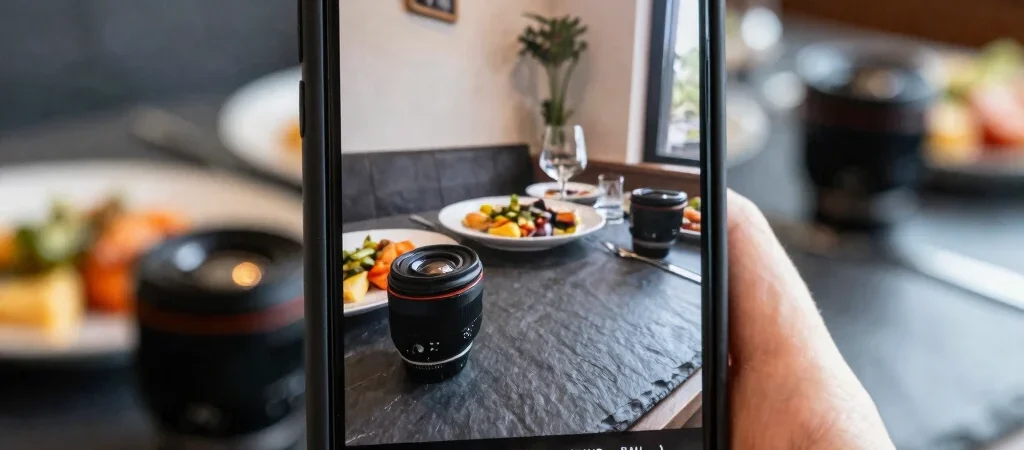
A phone camera can produce an impressive landscape in bright daylight and still frustrate you at a birthday dinner. The conditions that matter most are often less polished: indoor light, a moving subject, a quick switch to ultrawide, or a shot taken before you have time to adjust settings. A review should make those trade-offs visible.
Test the ordinary moments
Useful comparisons include a backlit face near a window, a dim room, and a person walking through the frame. These scenes reveal how the camera balances highlights and shadows, handles motion, and chooses exposure when there is no time to intervene. One carefully chosen sample cannot stand in for all three.
Look beyond megapixels
Resolution is only one part of the result. Lens choice, image processing, focus behavior, and shutter delay can shape whether a photo is usable, while aggressive sharpening or smoothing may change how textures and skin look. A sound review describes what appears in the image instead of treating a larger number as proof of a better camera.
Make the verdict useful
When reading a camera review, check which lenses and lighting conditions were tested and whether the sample images are shown at a useful size. Then match the findings to your habits: frequent indoor photos call for different strengths than landscapes or casual video. The best camera is not the one with the longest spec sheet; it is the one whose compromises you can live with.